

4-H Supervisors' Consensus Camp Held in Tainan
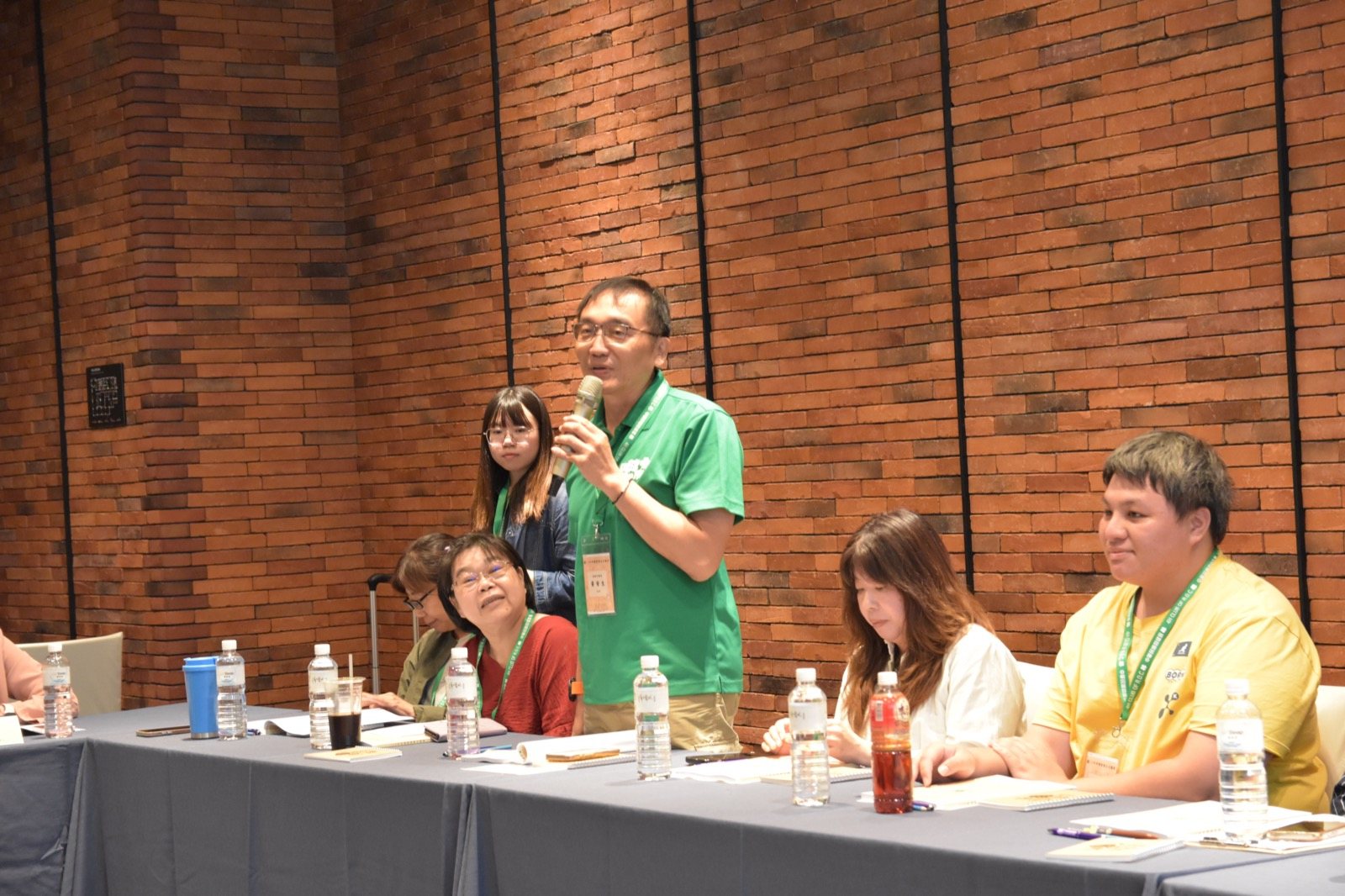
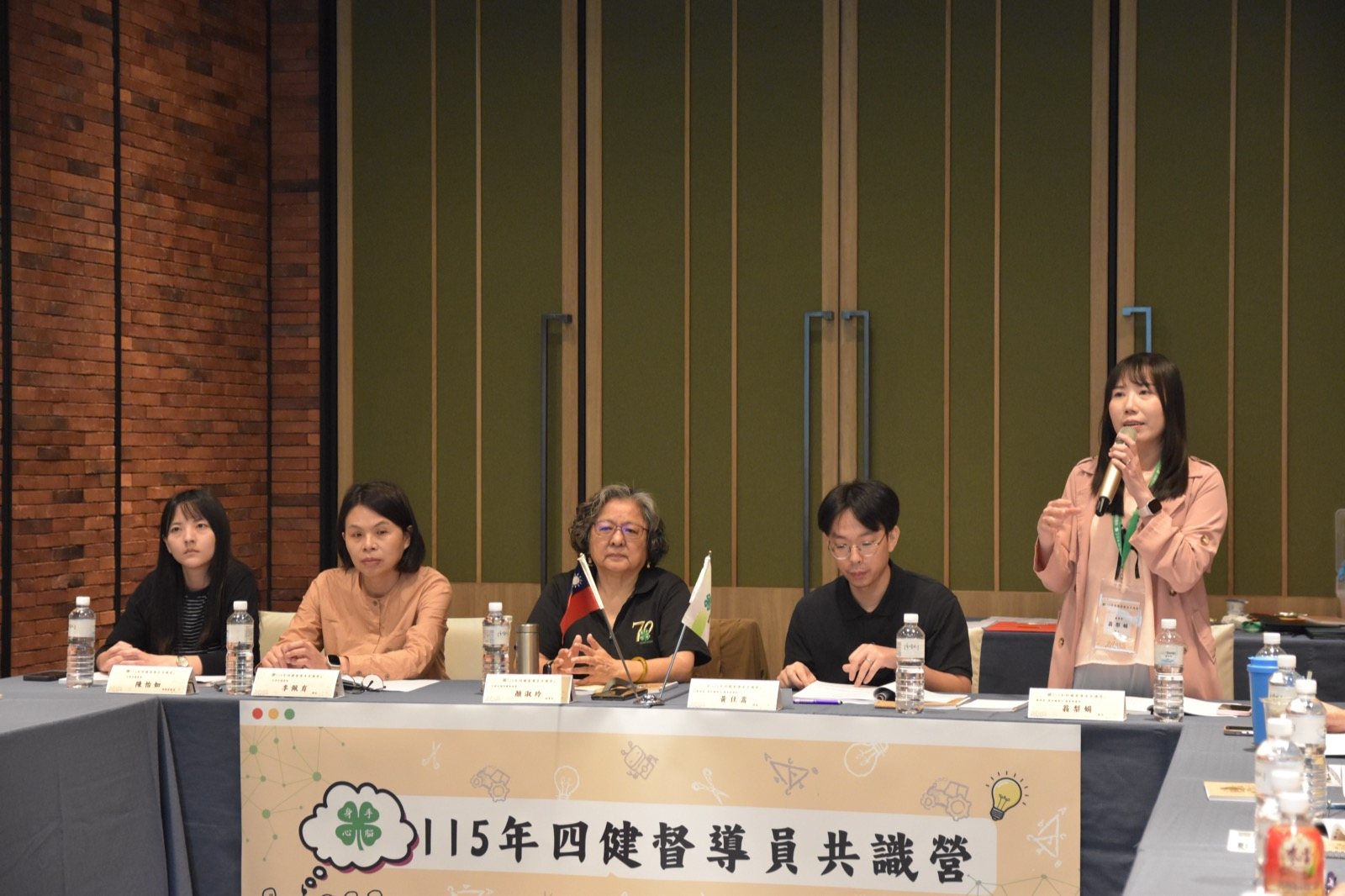
On April 13–14, 2026, 4-H Taiwan held the 2026 4-H Supervisors' Consensus Camp in Rende District, Tainan City. It brought together 4-H directors and supervisors from county and city farmers' associations at the start of the new program year for a two-day, one-night program of classes and exchange on how county-level units can help grassroots units promote 4-H work.
Day 1: Building the Foundation, Then Hearing Practical Experience
The event opened with the icebreaker “Getting to Know Each Other.” Even directors and supervisors at county and city farmers' associations may not know the specialty crops of one another's townships, so a simple activity helped everyone get acquainted. A section chief and a technical specialist from the Agricultural Extension Section of the Ministry of Agriculture's Department of Farmers' Service, and a division head from the National Farmers' Association, also attended to offer encouragement.
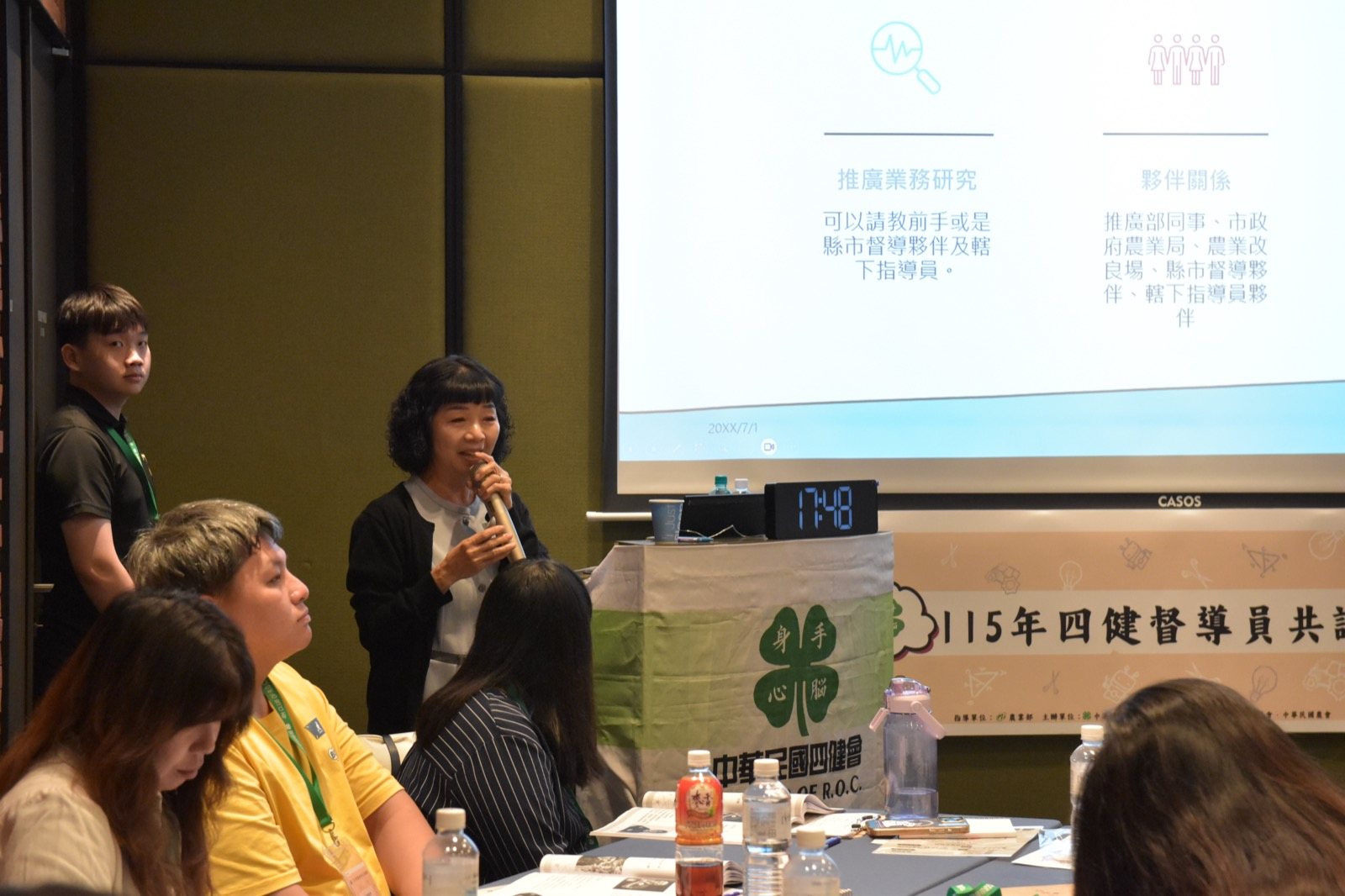
The “4-H Booster Pack” session was given by the Secretary-General, who condensed agricultural extension education, normally a full semester of study, into one class: from identifying farmers' real needs and the extension worker's role in the field to using social marketing to bring about behavior change. The Secretary-General reminded participants that extension work is not only about passing on information but about developing and changing people.
Day 2: Five-Finger Questions and the 4-H Cafe
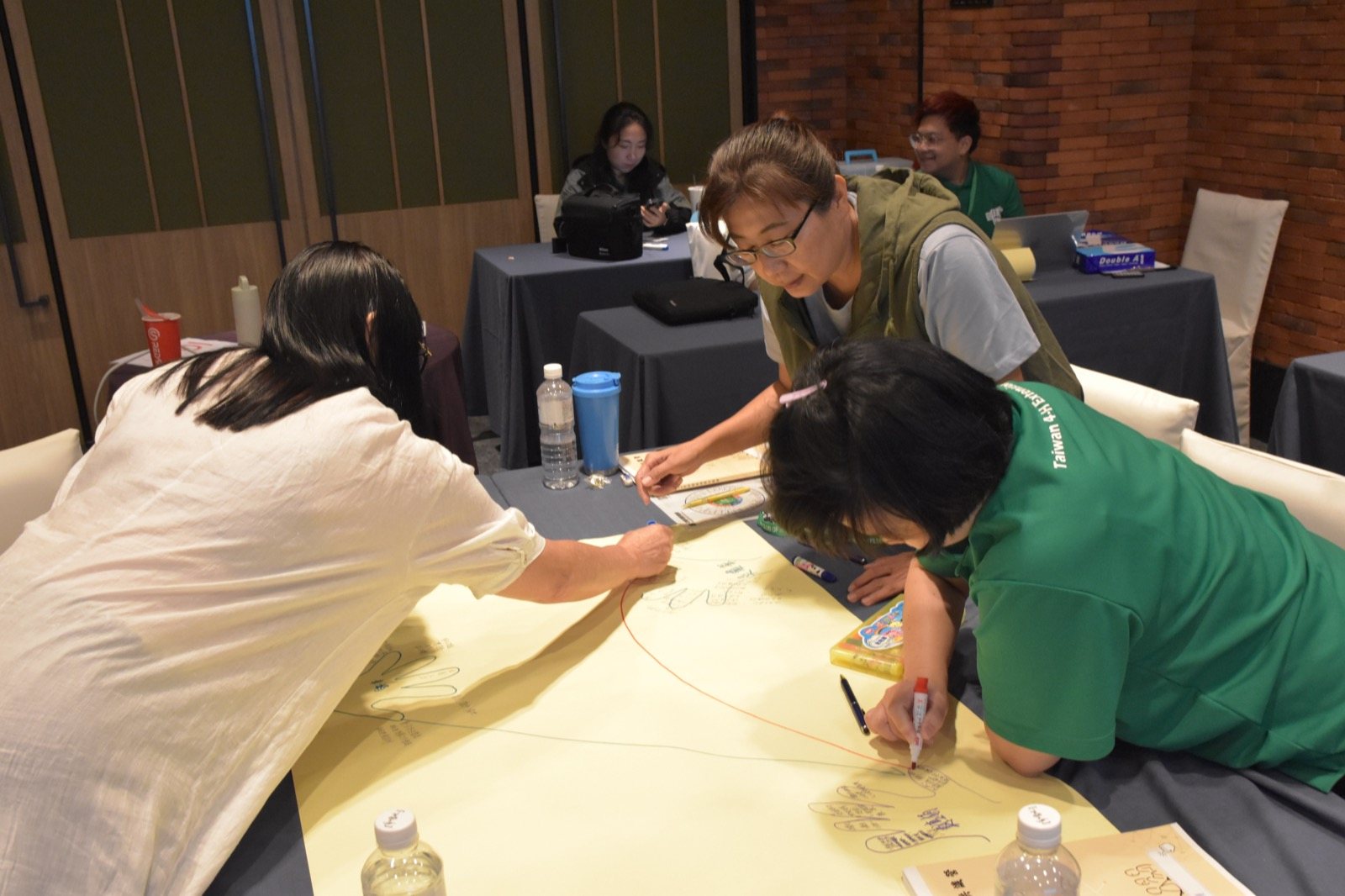
On day 2, the “Five-Finger Questions” exercise asked each director and supervisor to write down five things from their own experience: what a supervisor should do, what outside resources are needed, their understanding of 4-H values, key abilities required, and hopes for the future. Sharing then helped find where their ideas meet.
The “4-H Cafe” that followed rotated between tables, and everyone joined discussion of three topics: the most meaningful 4-H activity, special activities that could be developed for 4-H's 75th anniversary, and the key abilities a supervisor needs. Results were presented as drawings, and “4-H Big Camp” came up again and again at different tables. One table on key abilities used a fishbone diagram to lay out a competency framework and named it “stabilize within, reach out beyond,” representing the two abilities of steadiness inside and outreach outside.
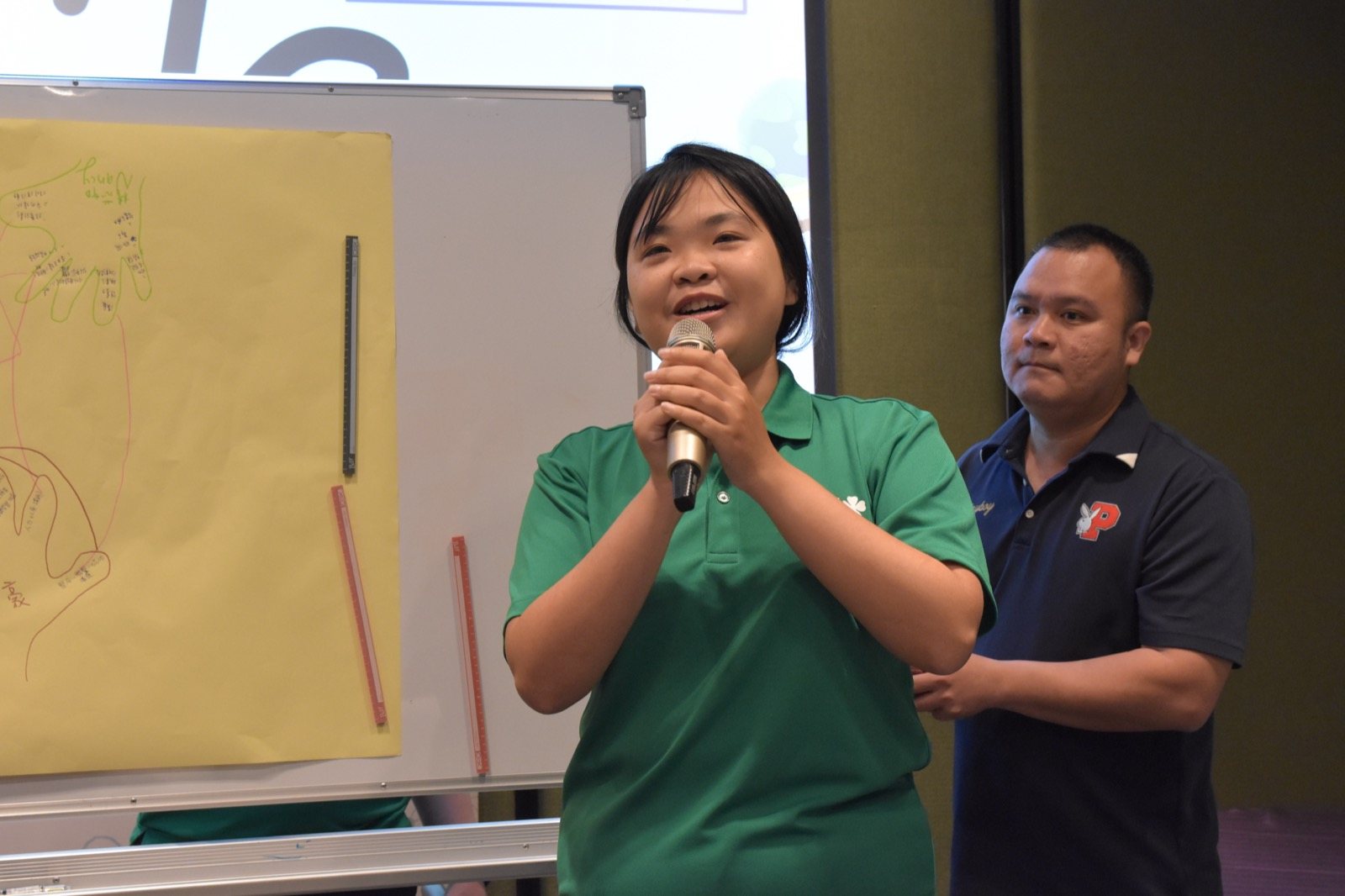
The final session, “4-H Stage,” was shared by the Secretary-General, who recalled the first 4-H Youth Leadership Camp in 1998 (ROC year 87): seeing young people organize themselves, divide the work and complete the event was what kept her engaged in extension work. She also talked about Taiwan 4-H's experience expanding international exchange over the years and reminded everyone that international visibility must rest on a solid local foundation.
Thanks to the Ministry of Agriculture's Department of Farmers' Service and the National Farmers' Association for attending and offering encouragement, and to the directors and supervisors from county and city farmers' associations for their participation.