

4-H Taiwan Holds 2026 Core Staff Training in Two Sessions
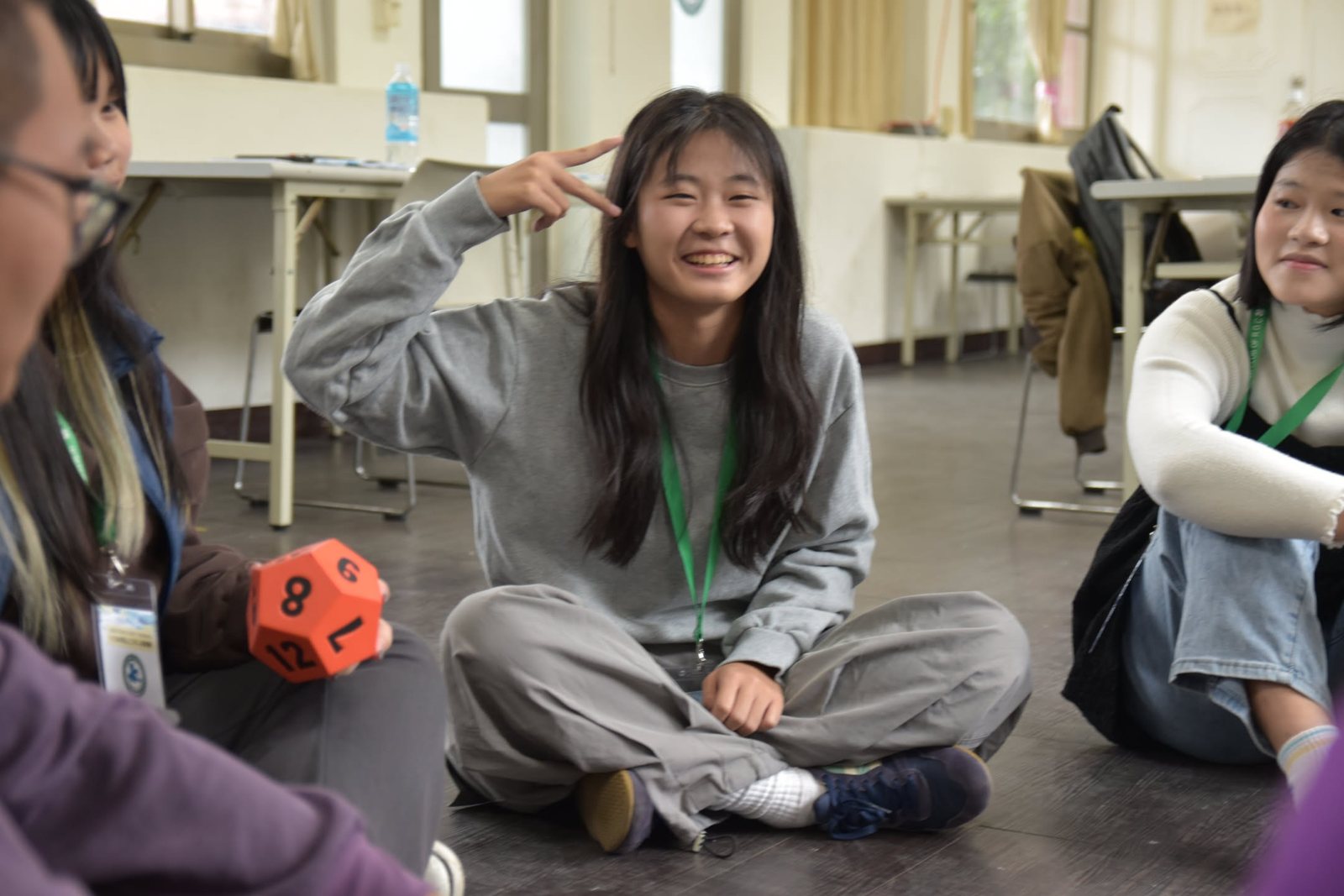
On March 7–8 and March 14–15, 2026, 4-H Taiwan held the 2026 Core Staff Training at Songshan Elementary School in Songshan District, Taipei City. It was the association's first event of the year. Senior 4-H members from across Taiwan joined in two sessions over four days to learn how to plan and run a 4-H camp.
Day 1: Getting to Know Each Other and Ourselves
The training opened with an icebreaker led by an association coordinator, helping participants who had just met get to know one another. The Secretary-General then gave the talk “Origins of the Core Program,” explaining how the Core Staff Training developed and using the Golden Circle (Why, How, What) to guide participants to think about why they joined 4-H, what skills they want to build, and how they will put them into practice. In the afternoon, “DISC: Understanding Yourself and Others” and “Experiential Learning” were led by alumni from Luzhou District Farmers' Association (New Taipei City) and Daya District Farmers' Association (Taichung City). The first helped participants understand their own working and communication styles; the second used team activities, discussion and sharing to illustrate learning by doing.
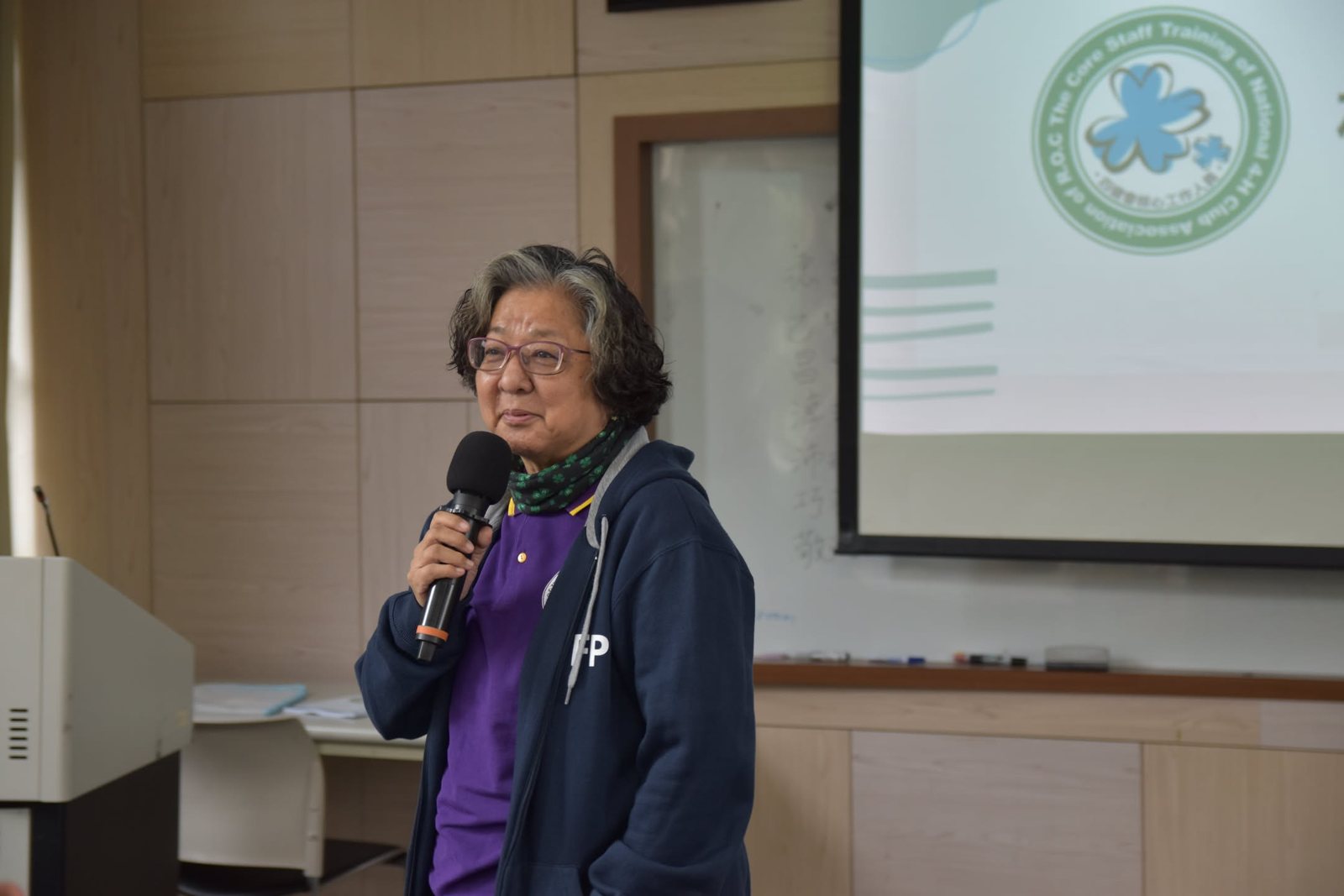
The association's President also came to encourage participants, sharing the “six degrees” of learning and service: height, depth, breadth, attitude, warmth and speed. The President reminded everyone that learning should not stop at learning itself; what matters most is putting what is learned into practice.
Day 2: Writing Lesson Plans and Learning the Five Camp Teams
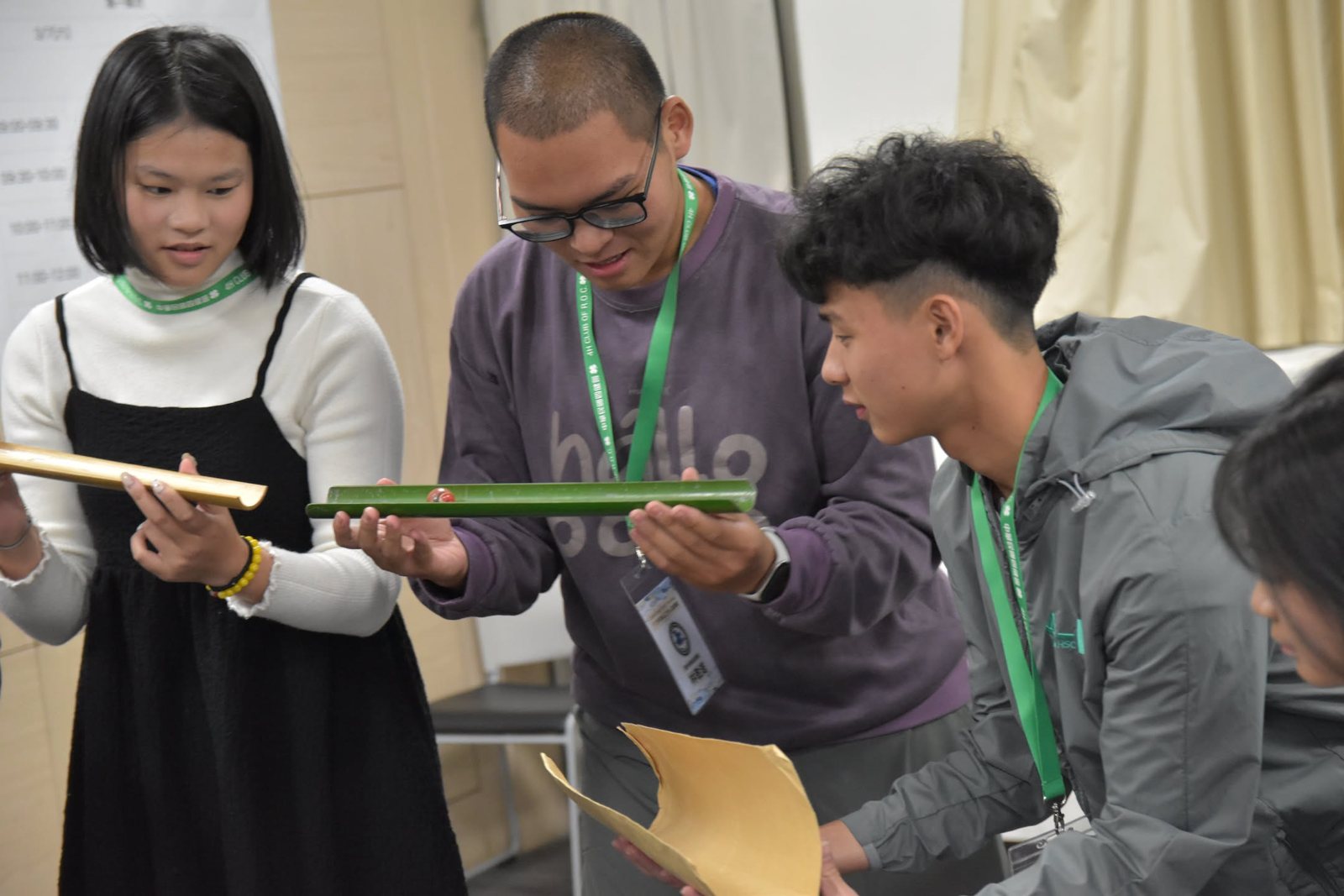
On the morning of day 2, “Lesson Plan Writing” was taught by an alumnus from Qingshui District Farmers' Association (Taichung City). Using three steps, WHY, HOW and WHAT, the instructor guided participants from an activity's purpose through its flow, staffing and equipment to a complete lesson plan. In the afternoon, in group sessions, five alumni explained what each camp team does.
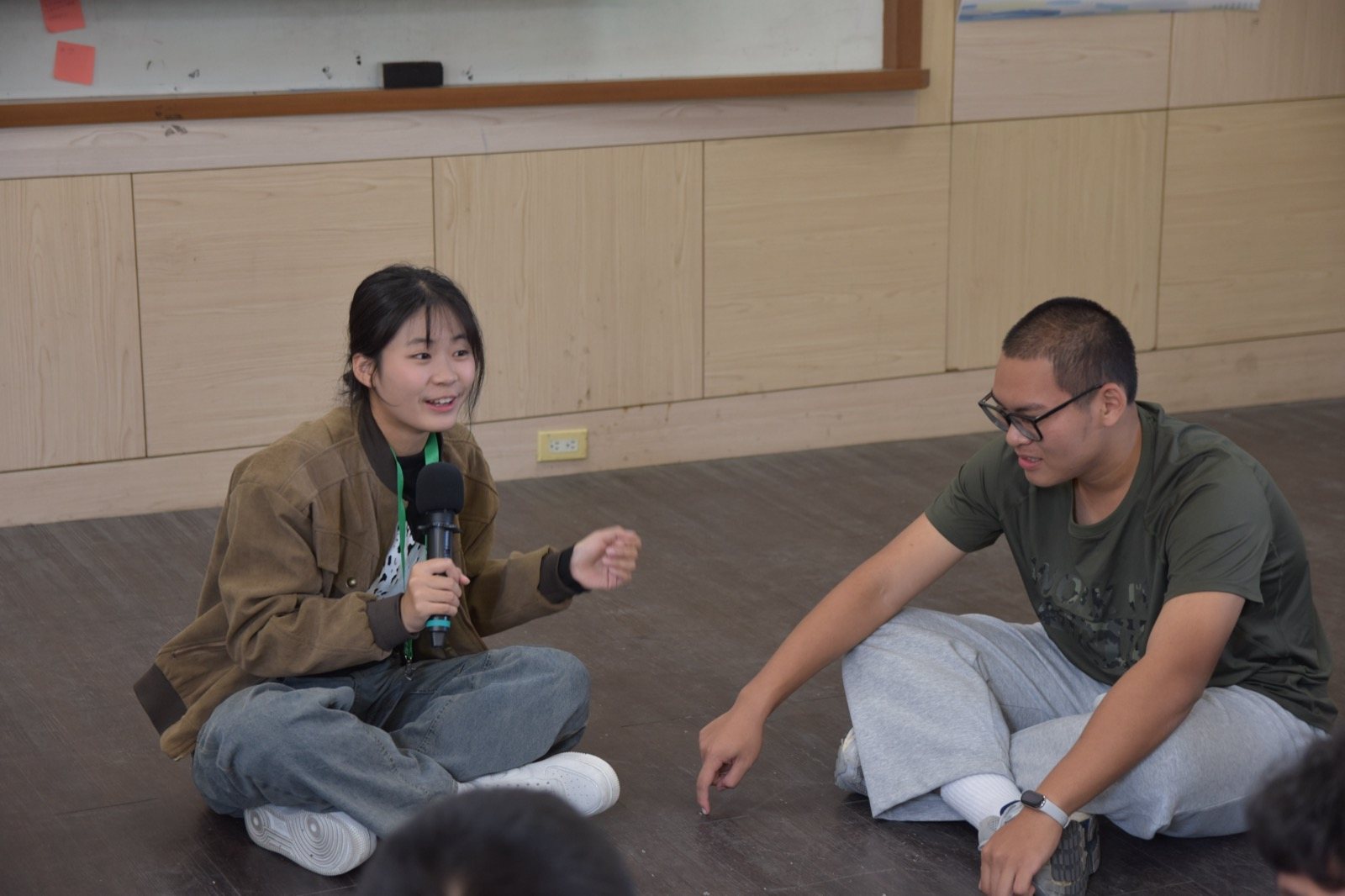
Session 2: Simulating the Planning of a Camp
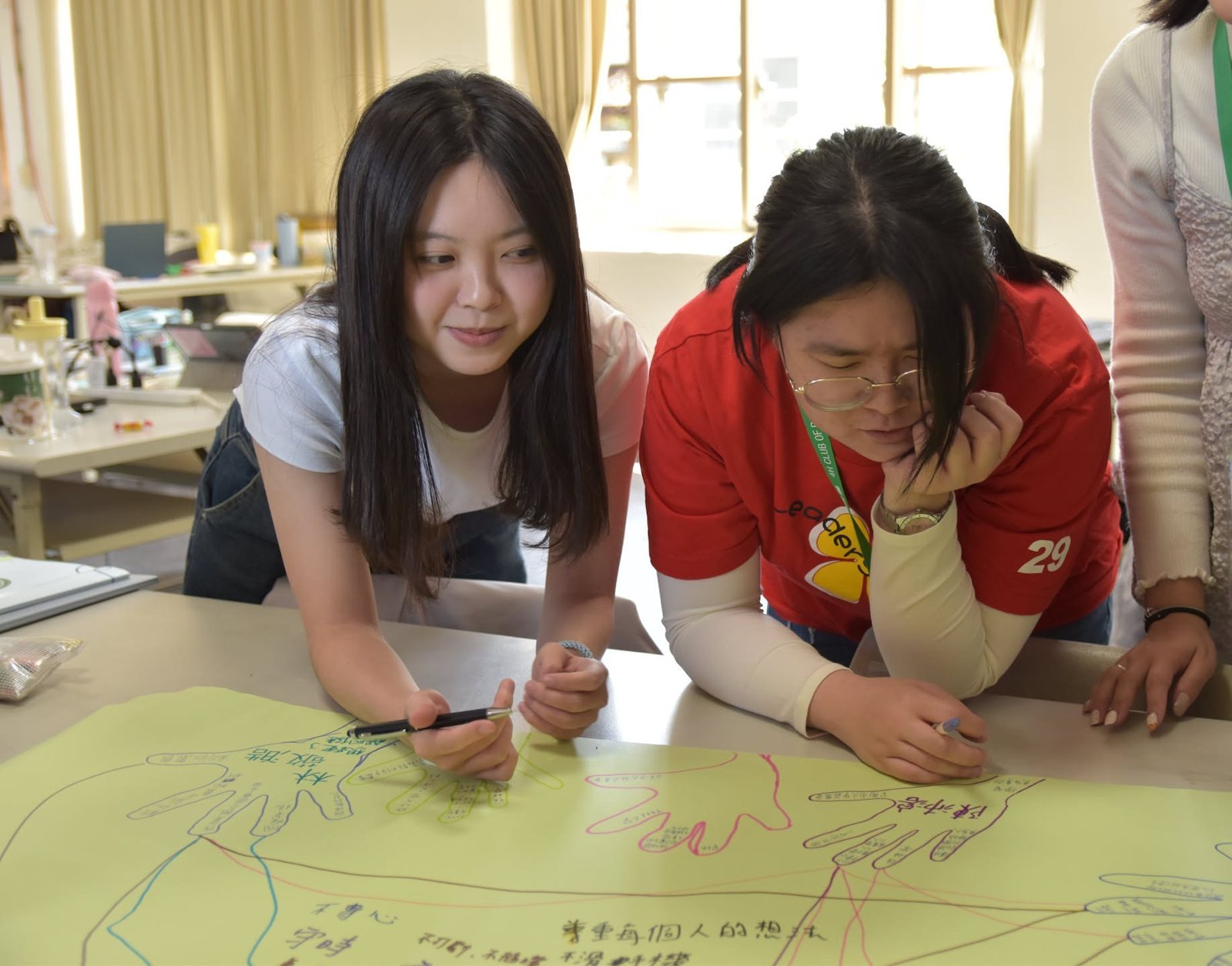
The second session (March 14–15) included “4-H Stage and International 4-H,” lesson-plan group work and station drills. Each team simulated planning a camp and presented it on stage, and at the closing “Core Launch” participants received a learning passport. After the training, participants will form core staff teams to help run 4-H camps and complete their service hours within two years.
One special feature of this training is that many of the instructors were once participants themselves. They started as 4-H members, became event staff step by step, and returned as senior members to share their experience. In class they offered a few lines: “Be brave enough to try, and don't be afraid to make mistakes.” “Standing on stage is how you build experience; practice makes perfect.” “If you don't do it, nothing happens; if you do, everything changes.”
Thanks to the alumni who returned as instructors and to every participant who joined the four days of training.